One of the most common things I hear from people recovering from a concussion is:
"I feel like my body is stuck in fight-or-flight."
They aren't necessarily anxious. They aren't always worried. Yet their nervous system feels as though it never received the message that the danger has passed.
Sleep becomes fragmented. Brain fog lingers. Bright lights feel overwhelming. Concentration takes tremendous effort. Even small daily tasks can leave them mentally exhausted.
This raises an important question:
What if part of concussion recovery isn't just healing the brain — but helping the nervous system remember how to relax again?
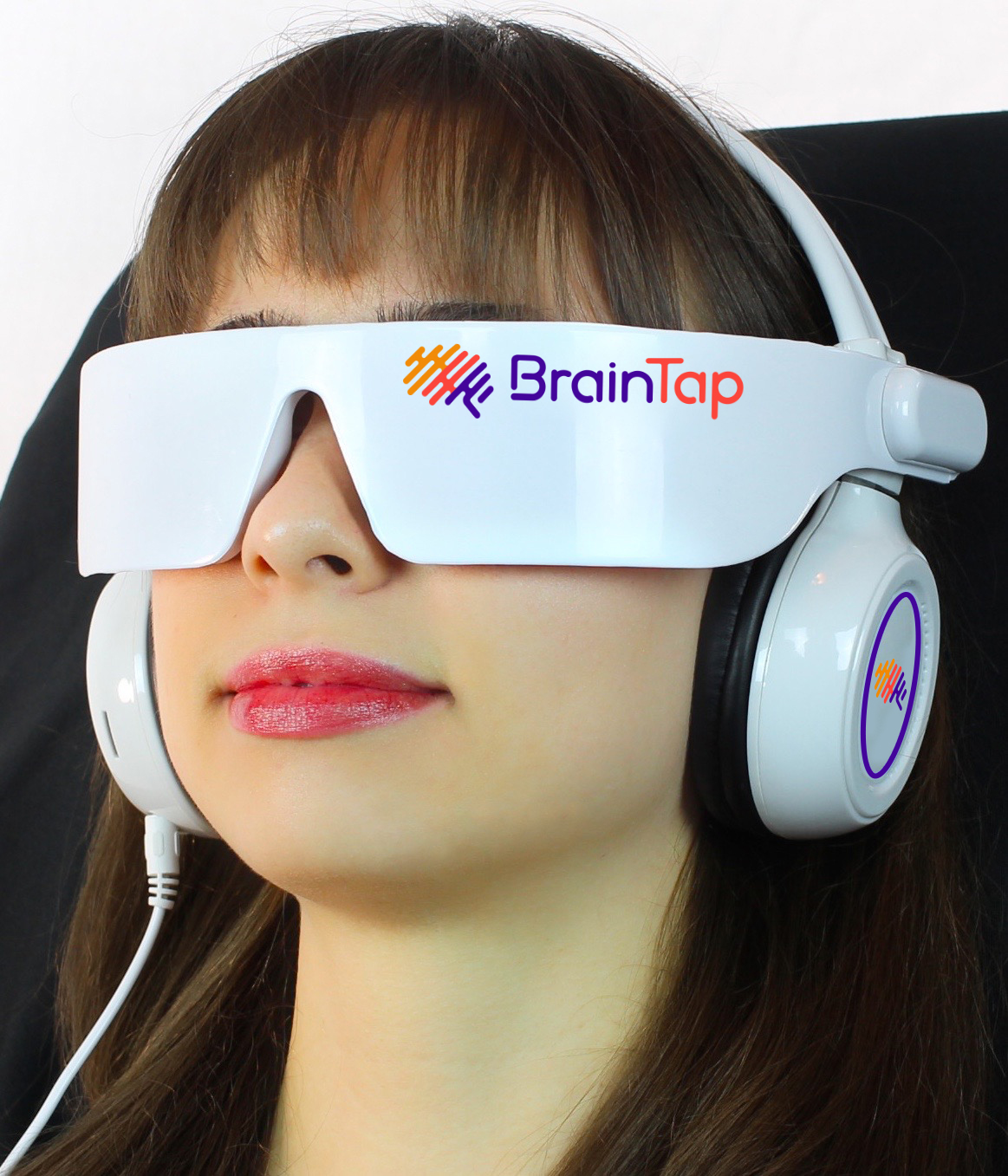
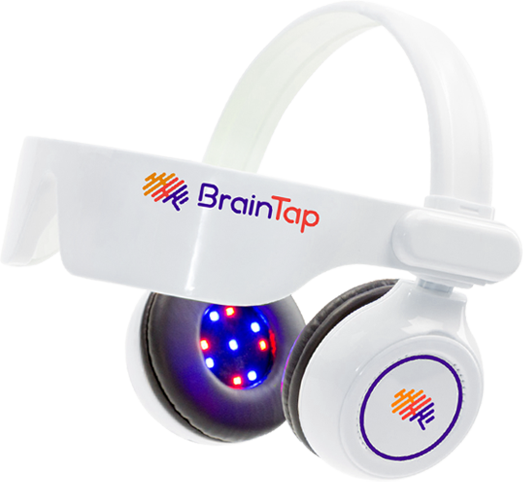
That was the focus of my recent conversation with Dr. Patrick Porter, founder of BrainTap, a technology that combines light, sound, guided meditation, and breathing exercises to help shift the brain into more restorative states.
Recovery Isn't Just About Reducing Symptoms
One of the biggest misconceptions about concussion is that recovery is simply waiting for damaged tissue to heal.
In reality, many people with persistent post-concussion syndrome experience ongoing nervous system dysregulation.
- A brain can become stuck in different patterns of compensation that persist over time.
- An autonomic nervous system remains in an elevated sympathetic state.
- The body struggles to shift into the parasympathetic ('rest, digest, and recover') state that supports healing.
When this happens, symptoms such as:
- poor sleep
- brain fog
- fatigue
- irritability
- sensory overload
- headaches
- anxiety
- exercise intolerance
…often begin feeding into one another. Breaking that cycle becomes an important part of recovery.
Why Sleep Matters More Than Most People Realize
During our conversation, Dr. Porter repeatedly returned to one topic: sleep.
Deep sleep isn't simply about feeling rested. It's when the brain performs many of its most important maintenance functions.
During healthy sleep, the brain:
- consolidates memories
- supports learning
- regulates emotional processing
- restores energy stores
- clears metabolic waste through the glymphatic system
For many people after a concussion, these processes become disrupted, creating a vicious cycle: poor sleep → more brain fog → more stress → worse sleep. Helping restore healthy sleep patterns may improve far more than energy alone.
The Brain Is Constantly Responding to Its Environment
The brain is always responding to sensory input — sound, light, breathing, visual information. These inputs continuously influence our physiological state.
BrainTap was designed around this idea by combining several evidence-informed approaches into a single experience:
- rhythmic sound stimulation
- gentle light pulses
- guided breathing
- relaxation exercises
- meditation
Rather than asking someone who feels overwhelmed to "just relax," the technology attempts to create an environment that encourages the brain toward calmer, more synchronized activity.
A Tool — Not a Magic Bullet
One aspect of our conversation that I appreciated was Dr. Porter's emphasis that BrainTap isn't intended to replace comprehensive concussion care. In fact, many clinicians use it alongside other treatments:
- Functional neurologists
- Physical therapists
- Chiropractors
- Mental health providers
- Acupuncturists
- Vestibular rehabilitation specialists
The goal isn't to "fix" every concussion symptom. The goal is to create conditions that allow the nervous system to regulate more effectively, making other therapies more productive.
The Science Continues to Evolve
BrainTap has now been studied in a variety of settings, including research involving sleep, stress resilience, cognitive performance, first responders, athletic recovery, autism, and concussion rehabilitation. According to Dr. Porter, clinicians have incorporated the technology into thousands of practices worldwide, and multiple independent research groups continue to evaluate its potential applications.
While more high-quality research is still needed — particularly specific to concussion — it's encouraging to see growing interest in technologies that focus on nervous system regulation rather than symptom suppression alone.
My Perspective as a Concussion Clinician
One thing I often tell my patients is this:
Recovery doesn't happen because we force the brain to heal. Recovery happens because we remove the barriers that prevent healing.
Sometimes that's improving vision. Sometimes it's treating the neck. Sometimes it's addressing dysautonomia. Sometimes it's improving sleep. Sometimes it's calming an overactive nervous system.
No single therapy works for everyone. But when we begin supporting the systems that allow the brain to recover, meaningful progress often follows.
BrainTap is one example of a tool that aims to support that process by helping people practice something many concussion patients have lost the ability to do naturally: shift from a state of chronic stress into a state where healing becomes possible.
Listen to the Full Episode
If you'd like to learn more about the science behind BrainTap, brainwave entrainment, sleep, neuroplasticity, and nervous system regulation, listen to my full conversation with Dr. Patrick Porter on Life After Impact: The Concussion Recovery Podcast. We explore the research, discuss the technology in depth, and examine where it may fit into a comprehensive concussion recovery plan.
Listen to Episode 67 →